Small business margins shrink as cost pressures mount, and the clearest evidence this week comes from America’s big retailers, where Target, Dollar General and Ulta Beauty are fighting to protect profit margins against tariffs, markdowns and soft demand, according to Yahoo Finance.
Small business margins shrink as cost pressures mount across the retail sector, and the numbers behind the headline come from Target’s first-quarter fiscal 2025 results. Target’s gross margin rate came in at 28.2%, down 60 basis points year over year, according to Zacks Investment Research via Yahoo Finance.
What actually happened
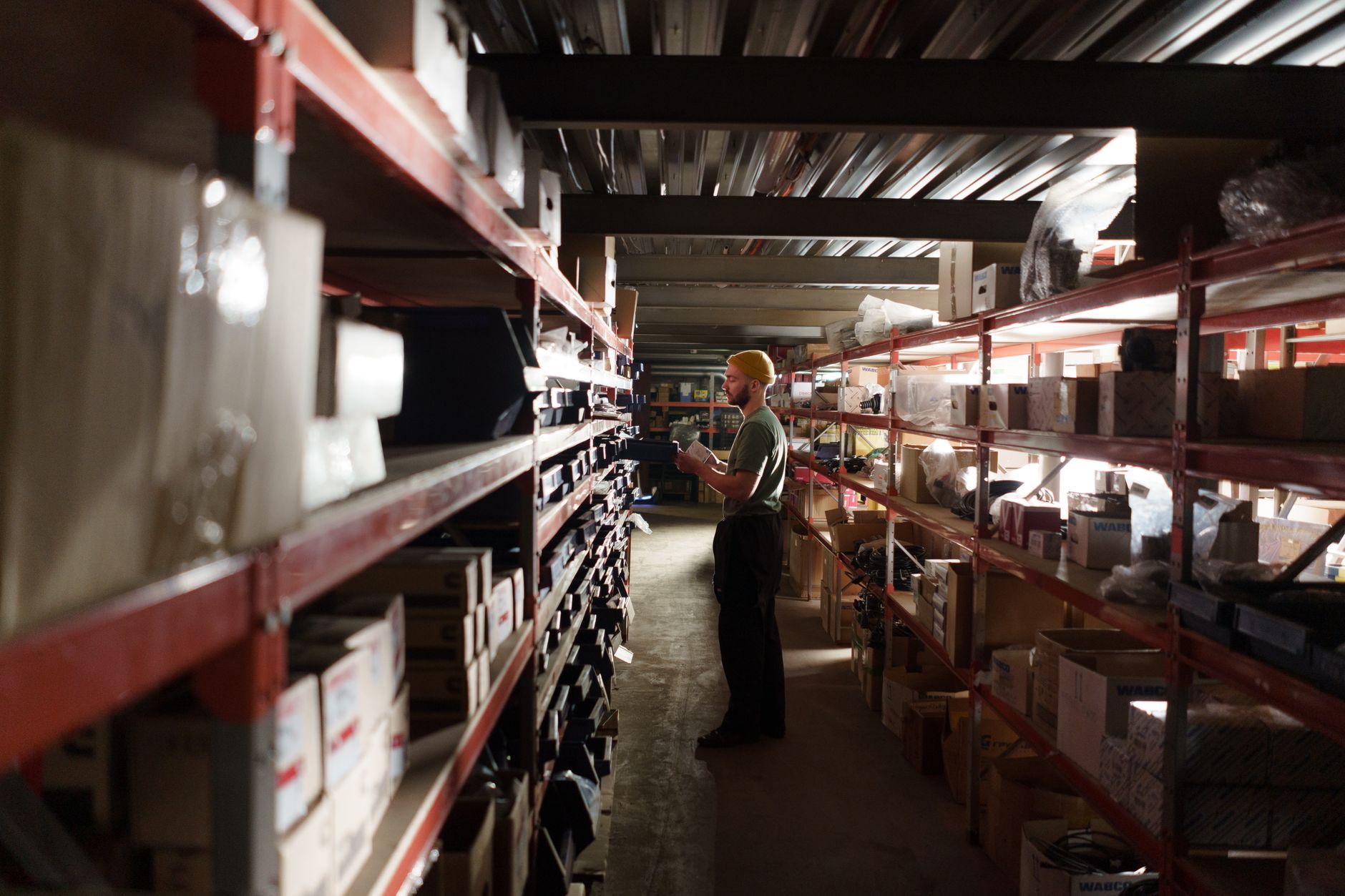
Target clawed back some of that lost ground through a drop in “shrink”, the retail industry’s term for stock lost to theft, damage and error. The company reported about 120 basis points of gross margin benefit from reduced shrink, reversing some of the elevated losses it saw in 2022 and 2023, Yahoo Finance reports. That shrink improvement helped push Target’s operating income up 13.6% year over year, even though net sales fell 2.8%, according to the same report.
Target’s own finance chief, Jim Lee, described the quarter as including a “catch-up” component, Yahoo Finance reports, and management said the bulk of the shrink recovery may now have played out, meaning future quarters may not get the same boost.
Target is not alone. Dollar General reported a 61 basis point improvement in shrink in its first quarter of fiscal 2025, which contributed to a 78 basis point rise in gross margin, according to Yahoo Finance. Ulta Beauty’s gross margin slipped slightly, to 39.1% from 39.2% a year earlier, with lower shrink partly offsetting pressure from fixed costs and weaker other revenues, the same report states. Target’s stock has fallen 18.8% over the past three months, against industry growth of 7.6%, Yahoo Finance adds.
Why this matters for UK small business owners
None of this is UK data, and none of it is small business data. But the pressures squeezing Target, Dollar General and Ulta Beauty are the same four forces any small firm recognises: stock loss, markdowns, fulfilment costs and soft customer demand. When a retailer with Target’s scale struggles to grow margin without a one-off benefit like shrink reduction, it is a signal that cost pressures are structural, not seasonal, and that business expenses are not easing on their own.
For a small shop, trade business or hospitality firm, the lesson is not to copy a US retailer’s playbook line for line. It is to recognise that profitability now depends on actively managing every lever available, rather than assuming margin will recover once demand picks up. That is the same thinking behind decisions like what your shop actually keeps after offering free delivery, where a generous customer offer can quietly erode the margin a sale was supposed to protect.
What to do now
Three practical steps follow from this, scaled to a small business rather than a national chain.
- Check where your own version of “shrink” sits, whether that is wastage, returns, no-shows or stock error, and put a number on it before deciding it is not worth fixing.
- Review discount and markdown habits before the next promotional season. The same discipline that retailers apply to shrink applies to discounting, and it is worth reading this six-step Black Friday preparation guide even outside the Black Friday period, because the margin maths is the same all year.
- Look at where cost efficiencies can be found without cutting service, starting with the tasks eating staff time rather than headcount. What to automate first in a small business is a useful starting point for identifying where admin cost is quietly sitting.
It is also worth keeping an eye on the wider economic backdrop feeding these cost pressures. Coverage of how the FTSE 100’s recent fall affects small businesses gives useful context for why margin pressure is being felt broadly, not just in one sector.
What does “shrink” mean in a retail margin report?
In this reporting, shrink refers to stock a retailer loses to theft, damage or error, which eats directly into gross margin. Target described a reduction in shrink as a key reason its margin did not fall further, according to Yahoo Finance.
Why are big retailers’ margins under pressure right now?
According to Yahoo Finance, Target cited higher markdowns, digital fulfilment costs, tariff uncertainty and soft customer traffic as ongoing pressures on margin, even after the benefit of reduced shrink is accounted for.
Does this US retail data apply directly to UK small businesses?
Not directly. These are results from large American retailers, not UK small firms. The relevance for a UK owner is in the pattern, cost pressures squeezing margin from several directions at once, rather than in the specific figures.
The takeaway: small business margins shrink as cost pressures mount from several directions at once, so the firms protecting profit are the ones actively managing loss, discounting and running costs, not waiting for demand to recover.