For any small business that sells expertise, the hardest sell is proof. A bakery consultancy has just answered that with a test bakery investment of nearly £35,000, and the move is a useful lesson for owners weighing up whether to spend on their own capability.
Fussnegger Ltd has completed a new test bakery worth close to £35,000, a facility its founder Katie Fussnegger says lets the firm “work even more closely with our customers, helping them develop new products, solve technical challenges, and train their teams in a real bakery environment”. The news was announced through the Craft Bakers Association.
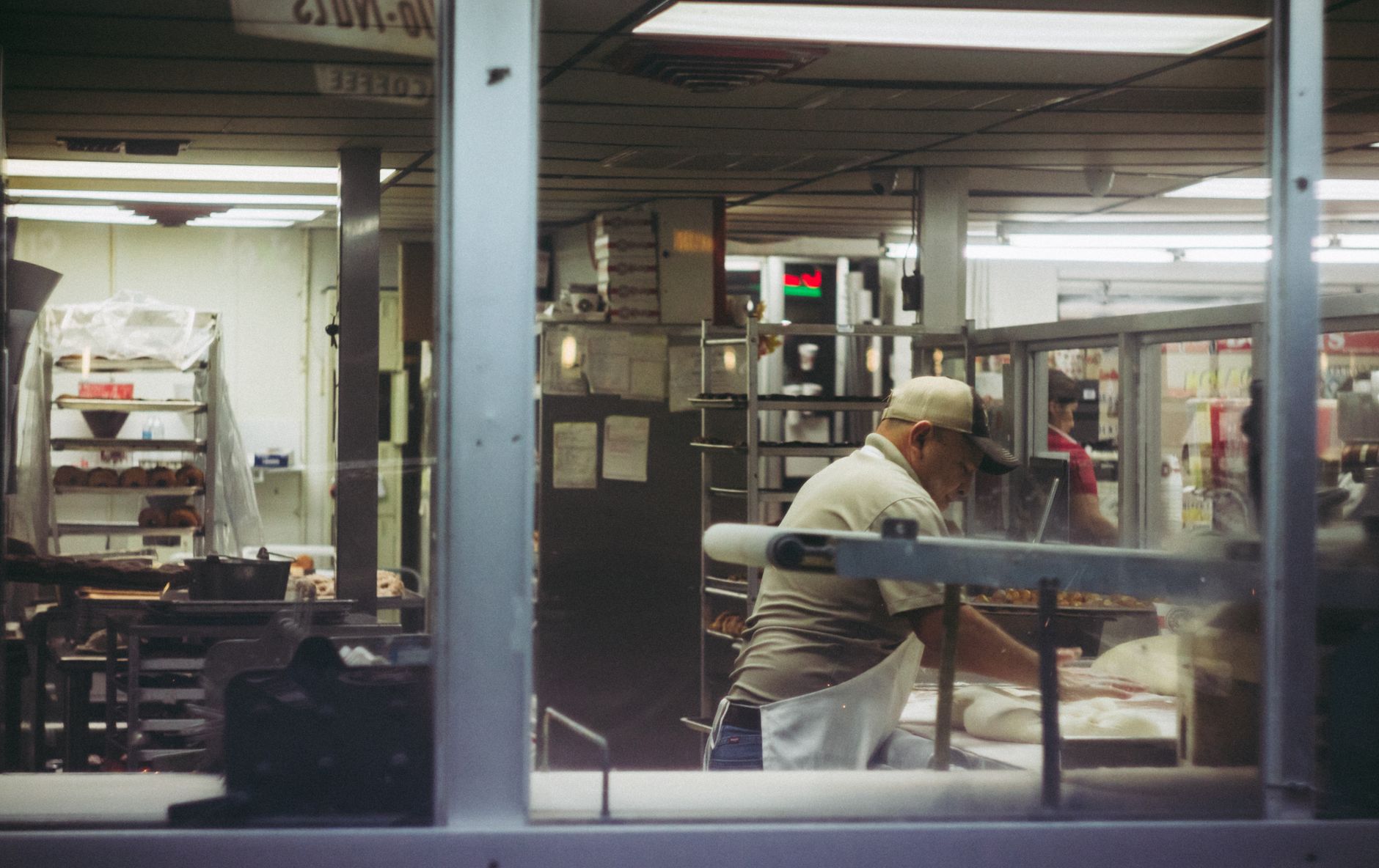
The facility is a fully working bakery kitchen, kitted out with equipment installed over several weeks of planning and building. It is designed for product development, ingredient and process testing, customer demonstrations, technical troubleshooting and hands-on training for client teams. In short, Fussnegger Ltd has built the room where the advice it sells can actually be tried.
Why a service business spends on a physical space
Consultancies usually trade on knowledge, not kit. Building a demonstration space flips that model: instead of describing a fix, you can bake it in front of the client and hand the recipe over. For a small firm, that is a marketing asset, a training venue and a research lab rolled into one, and it gives the sales conversation something concrete to point at.
It is also a bet on demand. Spending £35,000 up front only pays back if enough clients book development sessions and training days to cover the outlay. That is the same calculation any owner faces when moving from selling time to selling a service wrapped around expensive equipment, and it is worth modelling carefully before committing. The way a Leeds studio turned facilities into recurring income offers a parallel worth reading, in our look at how a fitness studio grew its membership.
Who this helps, and who it does not
This kind of investment suits a service business whose clients need to see, taste or test the result before they buy. It helps far less if your value is purely advisory or digital, where a demonstration space would sit idle. The honest question is whether a physical facility shortens your sales cycle or simply adds fixed cost.
Funding matters too. Ovens, mixers and proving equipment are exactly the sort of purchase that lease and hire-purchase deals are built for, so paying cash is rarely the only route. Our guide to asset finance explains how to spread the cost of equipment, and it is worth reading alongside our piece on weak lending confidence, which shows how many small firms hold back from asking for finance they could get.
The practical takeaway
Before you copy the idea, do the sums. List the paid services the space unlocks, estimate how many bookings a month you need to cover the spend, and decide whether finance or cash makes more sense. If the room earns its keep as a sales tool as well as a workshop, a capability investment like this can pay for itself faster than a marketing budget ever would.