
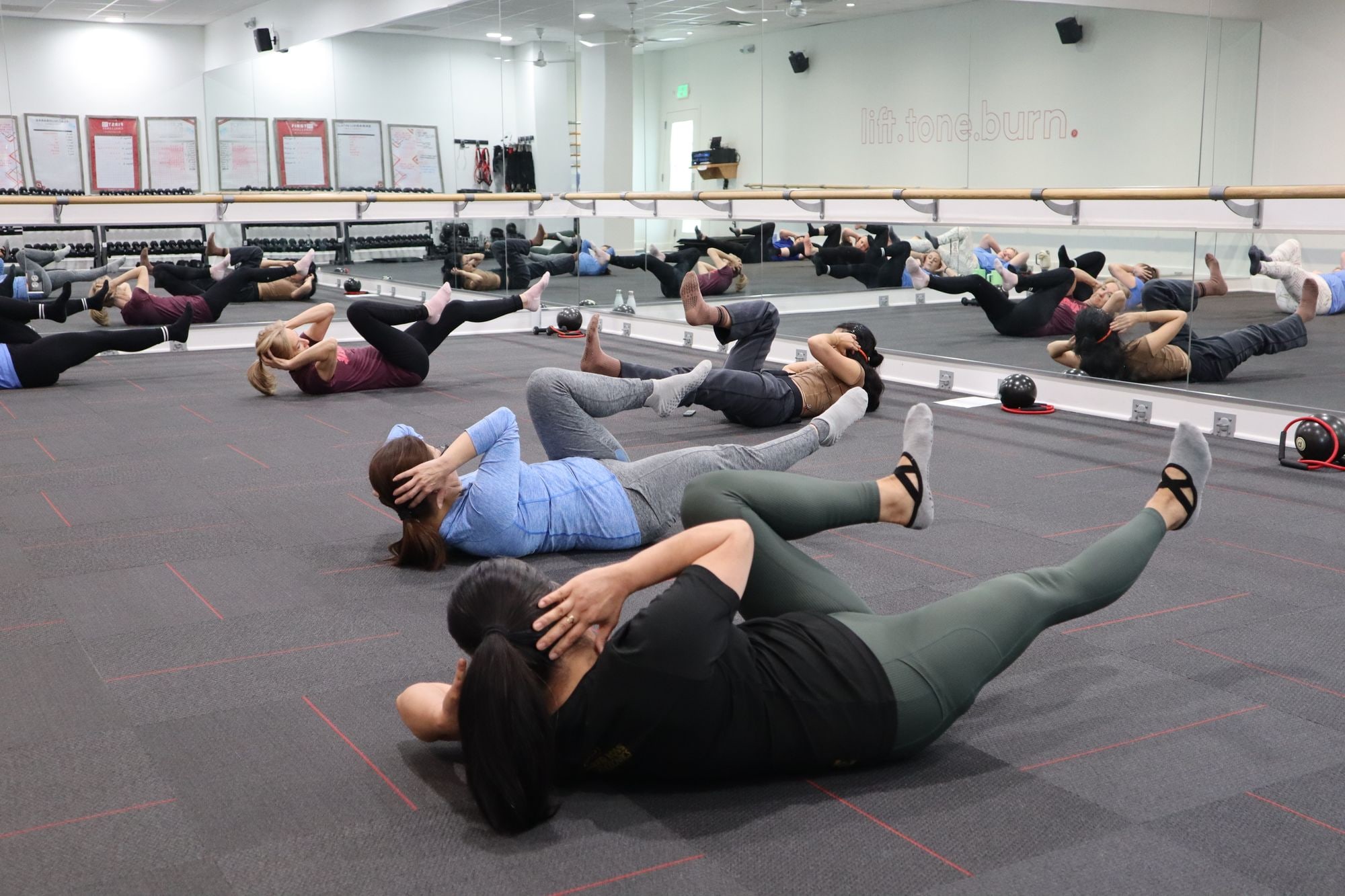
A recent Yorkshire Evening Post feature on a feel-good fitness business in Leeds going from strength to strength is a useful prompt for any owner-manager asking the same question: how do you grow gym membership without pouring money into advertising you cannot measure? The short answer, borne out by studios up and down the country, is that steady growth comes from three unglamorous things done well: making it effortless to book and pay, keeping the members you already have, and being the obvious local choice when someone searches “fitness classes near me”.
You do not need a marketing department to do any of that. You need a booking system that takes payment automatically, a simple routine for staying in touch with members, and a Google presence that turns up when your neighbours go looking. This article breaks down the practical lessons behind a growing fitness business, with UK pricing, named software you would actually shortlist, and a comparison table to help you choose.
Why fitness businesses live or die on retention, not sign-ups
The instinct when membership is flat is to chase new faces. In practice, the cheaper and faster win is keeping the members you already have. A gym or studio that loses ten members a month has to recruit ten just to stand still, and every one of those replacements costs money in advertising, trial passes and staff time. A studio that halves its dropout rate grows almost by accident.
Retention comes from small, repeated touches: a friendly follow-up after someone’s first class, a nudge when a regular has not been in for a fortnight, and a class timetable that fits real lives. None of this needs to be manual. Good studio software flags the member who has gone quiet, and a well-set-up email or text sequence does the reminding for you. If you have never mapped these touches out, our guide to marketing on four hours a week shows how a busy owner can run the whole thing in short, scheduled bursts.
Get the booking and payment system right first
The single biggest lever for a growing fitness business is removing friction from booking and paying. If a prospective member has to phone during opening hours, or a regular cannot see whether Tuesday’s spin class has spaces, you lose sales you never even hear about.
Dedicated studio management platforms handle bookings, class schedules, memberships and recurring payments in one place. In the UK you would realistically shortlist TeamUp, Gymcatch, Glofox and the larger Mindbody. Some studios also list off-peak spaces on ClassPass to fill quiet slots, though that comes with its own economics you should model carefully before signing up.
Recurring membership payments are usually collected by Direct Debit or card. GoCardless is the common UK choice for Direct Debit, while Stripe handles card subscriptions and sits behind many booking apps. Failed payments are a quiet killer for studios, because a lapsed card often means a lapsed member, so pick a system that retries automatically and chases the member for you. To understand what each transaction actually costs you, read our breakdown of card payment fees for UK small businesses.
Studio management software compared
| Platform | Best suited to | Typical UK pricing | Notable strengths |
|---|---|---|---|
| Gymcatch | Independent instructors and small studios | Low monthly tiers aimed at solo and small operators | UK-built, affordable, straightforward bookings and payments |
| TeamUp | Boutique studios, boxes and class-led gyms | Priced by active member count | Strong reputation for support and retention reporting |
| Glofox | Growing multi-class studios wanting branded apps | Mid to higher range, quote-based | Member-facing branded app and membership management |
| Mindbody | Larger studios and multi-site operators | Higher tiers, quote-based | Broad feature set plus a consumer discovery marketplace |
Prices change and most of these vendors quote based on your member numbers, so treat the table as a shortlist rather than a price list. Book a demo with two of them, load in a real week’s timetable, and see which one your reception staff find least fiddly. The best software is the one your team will actually use at 6am.
Be the studio Google shows first
When someone in your area decides to get fit, they usually open Google or Google Maps and search. If your studio does not appear in the local results, it barely exists to them. A well-kept Google Business Profile, with correct opening hours, photos of the space, your class types and a steady trickle of reviews, is the closest thing to free advertising a local fitness business has. Our guide to local SEO and winning Google’s map pack walks through exactly how to set this up.
Reviews do a lot of the heavy lifting. Ask happy members at the moment they are happiest, usually just after a class they loved, and make it a one-tap job with a saved link. A studio with 200 genuine five-star reviews will out-rank and out-convert a slicker competitor with twelve, every time.
Social proof, but make it a routine, not a burden
Fitness is a visual, community-driven business, which is why Instagram and TikTok work so well for studios: transformation stories, class clips, instructor introductions and member shout-outs. The trap is treating social media as something you do when you remember. Batch it instead. Film several short clips in one session, then schedule them with a tool like Buffer, Later or Canva‘s content planner, so a week’s posts go out without daily effort.
Email and text still convert better than social for actually filling classes, because they land with people who already know you. Mailchimp and MailerLite are common choices for newsletters, while many studio platforms include built-in member messaging. A monthly email with the new timetable, a member spotlight and one clear offer is enough. If you want to keep every enquiry and lead in one place rather than scattered across a notebook and three inboxes, our roundup of the best CRM for small business is a sensible next read.
The unglamorous back office that lets you grow
Growth creates admin. More members mean more payments to reconcile, more staff to schedule and, eventually, tax questions you cannot ignore. Cloud accounting tools such as Xero, QuickBooks and FreeAgent connect to your bank and your payment provider so income lands in the books automatically. If you are approaching the VAT threshold, our explainer on VAT registration and which scheme to choose will save you a nasty surprise, and all VAT-registered businesses now need to follow Making Tax Digital rules.
Two more things matter as a studio grows. First, hiring: taking on your first instructor or receptionist brings employment obligations, and the rules changed recently, so read our guide to hiring your first employee alongside the note on day-one employment rights. Second, insurance: a fitness business needs public liability cover and, once you have staff, employers’ liability, which is a legal requirement. Our overview of business insurance for small firms covers what you must have versus what is optional.
What the Leeds story really teaches
Strip away the specifics and the lesson from a thriving Leeds studio is one any small business can copy. Growth followed from making the experience good and the logistics invisible. Members could book and pay without thinking about it, they felt looked after so they stayed, and new people could find the place easily online. There is no single clever tactic, just a handful of ordinary systems set up properly and kept running. That is achievable for a yoga studio, a barber, a physio clinic or a café, not only a gym.
Frequently asked questions
How much does studio booking software cost in the UK?
It varies with your member numbers and features. Tools aimed at solo instructors and small studios such as Gymcatch start at modest monthly fees, while TeamUp, Glofox and Mindbody scale up as you grow and are usually quoted based on active members. Get a demo and a written quote before committing, and factor in payment processing fees on top.
Should I list my classes on ClassPass?
ClassPass can fill quiet, off-peak slots with people who might not otherwise find you, but it takes a cut and can attract users who never become full-price members. Treat it as a tool for filling spare capacity, not as your main membership channel, and track whether those visitors ever convert.
What is the single most effective way to attract local members?
A well-maintained Google Business Profile with genuine reviews and current information. Most people looking for fitness classes start with a local Google or Maps search, so appearing in the map pack, backed by strong reviews, does more than paid ads for most independent studios. Our local SEO guide covers the setup.
Do I need to register for VAT as a fitness studio?
You must register once your taxable turnover passes the VAT threshold, and you can register voluntarily before that. Whether it helps depends on your costs and customers. Read our VAT registration guide and speak to an accountant if you are close to the line.
How do I stop members quietly cancelling?
Reduce failed payments by using a system that retries automatically, and act on inactivity. Most studio platforms flag members who have not attended recently, so set up an automatic friendly message when someone goes quiet. Winning them back early is far cheaper than replacing them.
What to do next
- Book demos with two studio platforms, for example Gymcatch and TeamUp, and run a real week’s timetable through each to see which your team prefers.
- Claim and fully complete your Google Business Profile, then set up a saved review link and ask three happy members this week.
- Turn on automatic payment retries and a “we’ve missed you” message for inactive members, so retention runs without daily effort.
- Connect your payments to Xero, QuickBooks or FreeAgent, and check where you stand against the VAT threshold before growth forces the issue.
Image: VividImageInc (BY) via Openverse