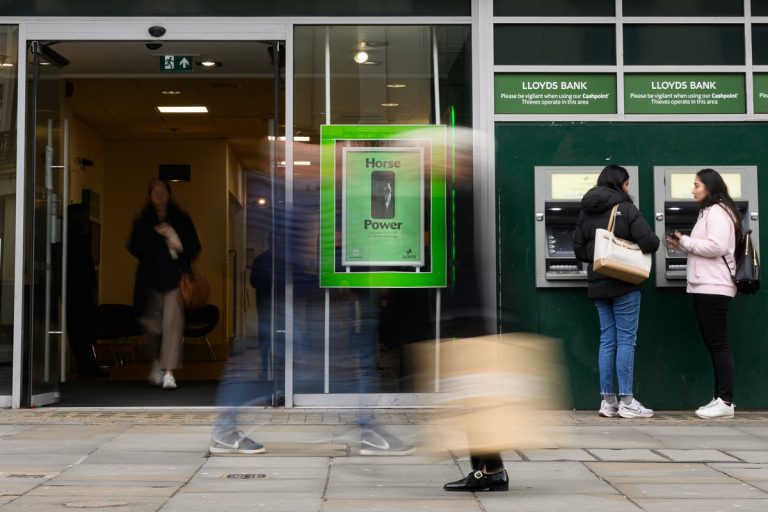
Capita’s chief executive quit with immediate effect on Monday as shares in the outsourcing giant crashed 70% in a single day, with the company admitting it has failed pensioners waiting on payments from the Civil Service Pension Scheme.
Capita’s chief executive, Adolfo Hernandez, quit with immediate effect on Monday as shares in the outsourcing giant Capita crashed 70%, with the company admitting it has failed pensioners waiting on payments from the Civil Service Pension Scheme.
The capita civil service pensions saga turned dramatic on 23 November 2026, when Capita’s share price plunged to as low as 72p, its lowest level since October 1991, the Guardian reports. Hernandez will be replaced by chief financial officer Pablo Andres, the BBC reports, as the firm cuts its profit forecast and seeks to raise fresh cash.
Capita took over administration of the Civil Service Pension Scheme, which manages the pensions of 1.7 million public sector workers, from MyCSP in December 2025, according to the BBC. The deal was worth £239m over seven years, the BBC reports. Since then, thousands of retiring civil servants have faced delays receiving their pension payments, with some pensioners telling the Guardian they have been forced to borrow money from family to pay for food and heating.
Capita now expects its adjusted operating profit for 2027 to be £85m to £95m lower than previously forecast, up from an earlier estimate of a reduction of up to £40m, the company said, according to the BBC. It plans to raise £190m in the first half of next year, a move backed by its biggest shareholder, the activist investor Oasis Management Company, the Guardian reports.
Hernandez said: “I am proud of the groundwork we have laid and the progress we have made under my leadership,” adding: “I recognise that we have not delivered the service that members of the civil service pension scheme deserve,” the BBC reports.
“Capita inherited an enormous backlog of cases which needed addressing and failed to deliver on the promised automation, AI and digital tools needed to manage the 1.7 million members,” said Russ Mould, investment director at AJ Bell, according to the BBC. He added that “Capita needs to steady the ship quickly.”
Mike Clancy, general secretary of the Prospect union, told the Guardian: “The running of the Civil Service Pension Scheme has been nothing short of a disaster and caused severe financial hardship to many.” He said “the only long-term solution that will work for scheme members, and taxpayers, is bring the contract in-house at the first suitable opportunity.”
Why this matters even if you’ve never dealt with Capita
Most small business owners have no direct relationship with Capita. But the episode is a useful, uncomfortable reminder of what happens when a supplier handling something critical, in this case pensions, falls behind: the pain lands on the people relying on the service, not on the supplier’s own balance sheet first.
If you run payroll, pensions auto-enrolment, HR administration or finance functions through an outsourced provider, this is worth ten minutes of your attention. A big, well-resourced company has just admitted it could not keep up with 1.7 million members and government deadlines. A smaller supplier serving your business may have far less capacity to absorb the same kind of shock.
What to check in your own supplier contracts
Look at any contract where a third party handles payroll, pensions, or statutory payments on your behalf. Ask what happens if they miss a deadline, who is liable, and whether there is a written contingency plan if their systems or staffing fall over. With new payroll obligations already landing, including the benefits in kind payroll mandate that hits firms from 2027, the cost of a supplier failure is only going up.
It is also worth tightening your own checks on who is actually on your payroll and receiving pension contributions. The same kind of backlog and poor oversight that caused Capita’s problems is exactly what lets fake hires and payroll fraud slip through unnoticed in smaller businesses too.
What to do now
- List every supplier that touches payroll, pensions or statutory payments for your business, and note how long you have used them.
- Ask each one, in writing, what their contingency plan is if they fall behind on a deadline.
- Check your contracts for liability clauses covering late or incorrect payments caused by the supplier, not by you.
- If a supplier handles anything public sector-adjacent or government-contracted, keep an eye on their service updates, since problems there can ripple into private sector service levels too.
Markets have been jumpy generally in recent weeks, as covered in our look at the FTSE 100’s recent fall and what it means for SMEs, so a single company’s share price move is not, on its own, a reason to panic. The lesson here is about supplier risk, not stock picking.
What happened to Capita’s share price?
Capita shares plunged 70% to as low as 72p on 23 November 2026, their lowest level since October 1991, according to the Guardian, after the company cut its profit forecast and proposed raising £190m.
Why did Capita’s chief executive resign?
Adolfo Hernandez stepped down with immediate effect after admitting Capita had “not delivered” the service that members of the Civil Service Pension Scheme deserve, the BBC reports. He will be replaced by chief financial officer Pablo Andres.
Could this affect my business directly?
Only if you or your suppliers hold a contract with Capita. For most small businesses, the direct risk is low, but the episode is a prompt to check how resilient your own payroll and pensions suppliers really are.
The takeaway: Capita’s crisis is a public sector story, but the lesson about checking your own payroll and pensions suppliers’ contingency plans applies to every business, however small.