If you sell to customers in Europe, the new EU shipping rules are not a future problem. They are already reshaping how UK online sellers price, package and post parcels across the Channel. The short version: the EU is tightening the rules on low-value imports, product safety paperwork and customs handling, and the days of a cheap, no-questions parcel to a French or German shopper are ending.
The direct answer to what you must change now is this. Make sure you are collecting EU VAT correctly at checkout, appoint an EU-based “Responsible Person” for the products you sell, and quote delivery prices that cover customs handling so buyers are not ambushed at the door. Get those three right and most of the pain disappears. This piece walks through each one, with named suppliers you can actually shortlist. The startups.co.uk wire piece “How are Online Sellers Adapting to New EU Shipping Rules?” flagged the same pressure points, and UK sellers are responding fast.
What is actually changing?
Three things are converging, and it helps to keep them separate in your head.
1. VAT on imports into the EU. Since July 2021 the EU has charged import VAT on goods of any value entering from outside the bloc. The old exemption on parcels under €22 is gone. For consignments up to €150 you can register for the Import One-Stop Shop (IOSS), collect the buyer’s local VAT at checkout, and remit it through a single monthly return. That keeps parcels flowing without VAT being demanded on delivery.
2. The low-value customs exemption is being scrapped. The EU has agreed in principle to remove the €150 threshold that currently lets low-value goods enter duty-free, and has discussed a per-parcel customs handling charge. The timing and exact figures are still being finalised at EU level, so treat any specific number you read with caution. The direction of travel is clear though: cheaper parcels will attract more customs cost and more data requirements, not less.
3. Product safety paperwork (GPSR). The EU’s General Product Safety Regulation applied from 13 December 2024. It requires most consumer products sold to EU buyers to have an “economic operator” (often called a Responsible Person) based in the EU or Northern Ireland, whose name and address appear on the product or packaging. No Responsible Person, no compliant sale. This one has quietly knocked a lot of small UK sellers off European marketplaces.
Fix your EU VAT first
If you are shipping consumer goods worth under €150 per parcel, IOSS is almost certainly the route you want. You collect the destination country’s VAT rate at checkout, the parcel clears customs smoothly, and you file one return covering all 27 member states. To use IOSS as a non-EU business you generally need an intermediary to register and file on your behalf.
Providers here include Avalara, Vertex (which acquired the well-known Taxamo service), Ship24 and Crossborderit. Some couriers and marketplaces also bundle IOSS handling. If you sell through Amazon or Etsy, the marketplace often collects and remits the VAT for you, which is one reason many small sellers lean on those platforms for EU trade.
Do not confuse this with your UK obligations. Selling into the EU does not change when you must register for UK VAT domestically. If you are unsure where you stand, our guide to VAT registration for small businesses explains the thresholds and schemes.
Appoint an EU Responsible Person
This is the requirement catching people out. Under GPSR, if you sell a physical consumer product to an EU buyer, there must be a named economic operator inside the EU (or Northern Ireland) who can be contacted about safety, hold technical documentation and act if a product needs a recall.
You have a few options. You can use a Responsible Person service such as those offered by testing and compliance firms including TÜV, SGS and various specialist providers that will act as your named contact for an annual fee. If you use a fulfilment partner or importer inside the EU, they may already qualify. Larger marketplaces have also introduced tools that either require you to nominate a Responsible Person or restrict listings without one.
Whatever you choose, the practical job is the same: get a compliant EU address onto your product or packaging, keep your technical file and safety documentation in order, and make sure that contact can actually respond. This is close cousin territory to the sort of compliance readiness we covered in free government trade factsheets for UK exporters, which are a sensible free starting point.
Rethink your delivery and pricing (DDP vs DDU)
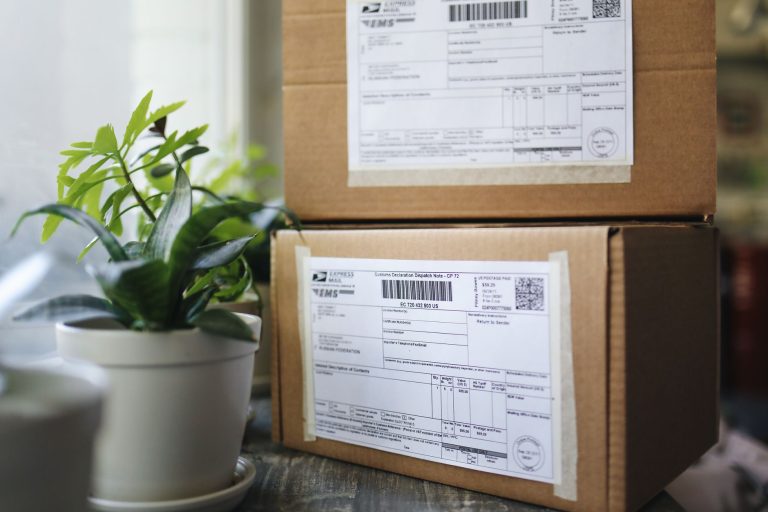
The costliest mistake is letting a European customer receive a “VAT and handling fee due” card from the courier. It kills repeat business and floods your inbox with complaints. The fix is to ship on a Delivered Duty Paid (DDP) basis, where taxes and clearance are settled before the parcel arrives, rather than Delivered Duty Unpaid (DDU), where the buyer pays on the doorstep.
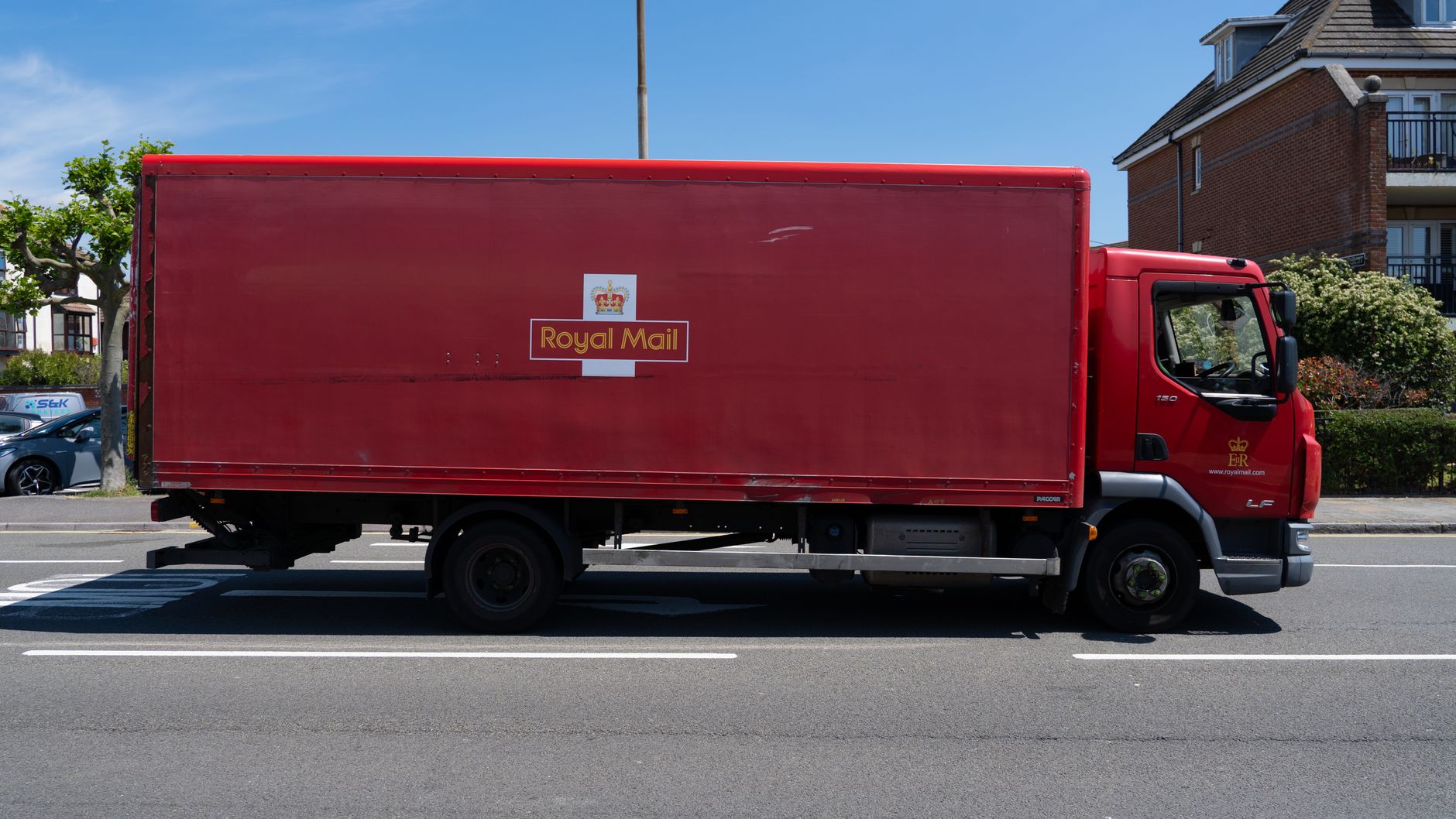
Most major carriers offer DDP services. Royal Mail and Parcelforce handle a lot of small-parcel volume from the UK, while DPD, DHL, UPS and FedEx are common for express and DDP. Shipping software such as Sendcloud, ShipStation and brokers like Parcel2Go and Interparcel let you compare rates, generate customs documents and print labels in one place.
Whatever platform runs your store, from Shopify to WooCommerce, you will want your shipping and tax settings joined up so the customs data and VAT flow automatically. If you are still choosing a platform, our comparison of Shopify vs WooCommerce vs Squarespace is a useful place to start.
Compare your compliance options
| What you need | Do it yourself | Use a service or intermediary | Let the marketplace handle it |
|---|---|---|---|
| EU VAT (IOSS) | Not possible for non-EU sellers without an intermediary | Avalara, Vertex, Ship24, Crossborderit register and file for you | Amazon and Etsy often collect and remit at checkout |
| Responsible Person | Only if you have your own EU or NI presence | Compliance firms such as TÜV and SGS act as your named contact | Some marketplaces require you to nominate one before listing |
| Customs and duty handling | Manual customs declarations, higher error risk | DPD, DHL, UPS, FedEx DDP services clear and prepay | Marketplace fulfilment can bundle clearance |
| Labels and paperwork | Print per parcel from carrier sites | Sendcloud, ShipStation, Parcel2Go, Interparcel automate it | Built into Amazon and Etsy shipping tools |
A realistic example
Say you run a homeware brand from a spare room and sell a £45 lamp to a buyer in the Netherlands. Under the new EU shipping rules you would register for IOSS through an intermediary (annual fees vary, so get quotes rather than assuming a figure), charge Dutch VAT at 21% at checkout, and ship DDP with DPD or Royal Mail so nothing is demanded on delivery. Your lamp packaging carries your EU Responsible Person’s name and address to satisfy GPSR. The customer pays a clear, all-in price and receives the parcel with no nasty surprise. That is the whole game.
The overhead is real, so it pays to know whether the effort is earning its keep. Our piece on how to know automation has paid off applies neatly here: track the admin hours you save against the fees you pay.
Frequently asked questions
Do the new EU shipping rules apply to Northern Ireland?
Northern Ireland has its own arrangements under the Windsor Framework, and an economic operator based in NI can satisfy the GPSR Responsible Person requirement for EU sales. The VAT position for NI to EU movements differs from Great Britain, so check the specifics for your route rather than assuming the GB rules apply.
Do I still need IOSS if I only sell occasionally to the EU?
Not strictly. Without IOSS you can ship DDU and let the customer pay VAT on delivery, but that harms conversion and repeat purchases. If EU sales are regular, IOSS almost always pays for itself in fewer complaints and smoother clearance.
What happens if I ignore the Responsible Person rule?
Non-compliant products can be refused entry, pulled from marketplaces or held at customs. Marketplaces have already restricted listings without a named operator, so ignoring GPSR effectively closes the EU to you.
Will removing the €150 exemption make my parcels more expensive?
Likely, yes, for low-value goods that currently enter duty-free. The EU has agreed to remove the threshold and discussed a handling charge, though the final figures and start date are still being confirmed. Build a buffer into your EU pricing now.
Can my courier handle all of this for me?
Carriers like DHL, UPS and DPD can manage DDP clearance and duty prepayment, but they do not become your Responsible Person or file your IOSS return. You still need those pieces in place separately.
What to do next
- Audit your EU orders. Check how many parcels you send, their typical value, and whether VAT is being collected correctly at checkout today.
- Sort VAT and a Responsible Person. Get quotes from an IOSS intermediary such as Avalara or Ship24, and appoint an EU or NI Responsible Person for your product range.
- Switch to clear DDP pricing. Ship duty-paid with a carrier that supports it and use shipping software to automate customs paperwork.
- Review your operations stack. Tighten how your store, VAT and shipping tools talk to each other, using our guide to the operations stack every sub-£1m business should know about.