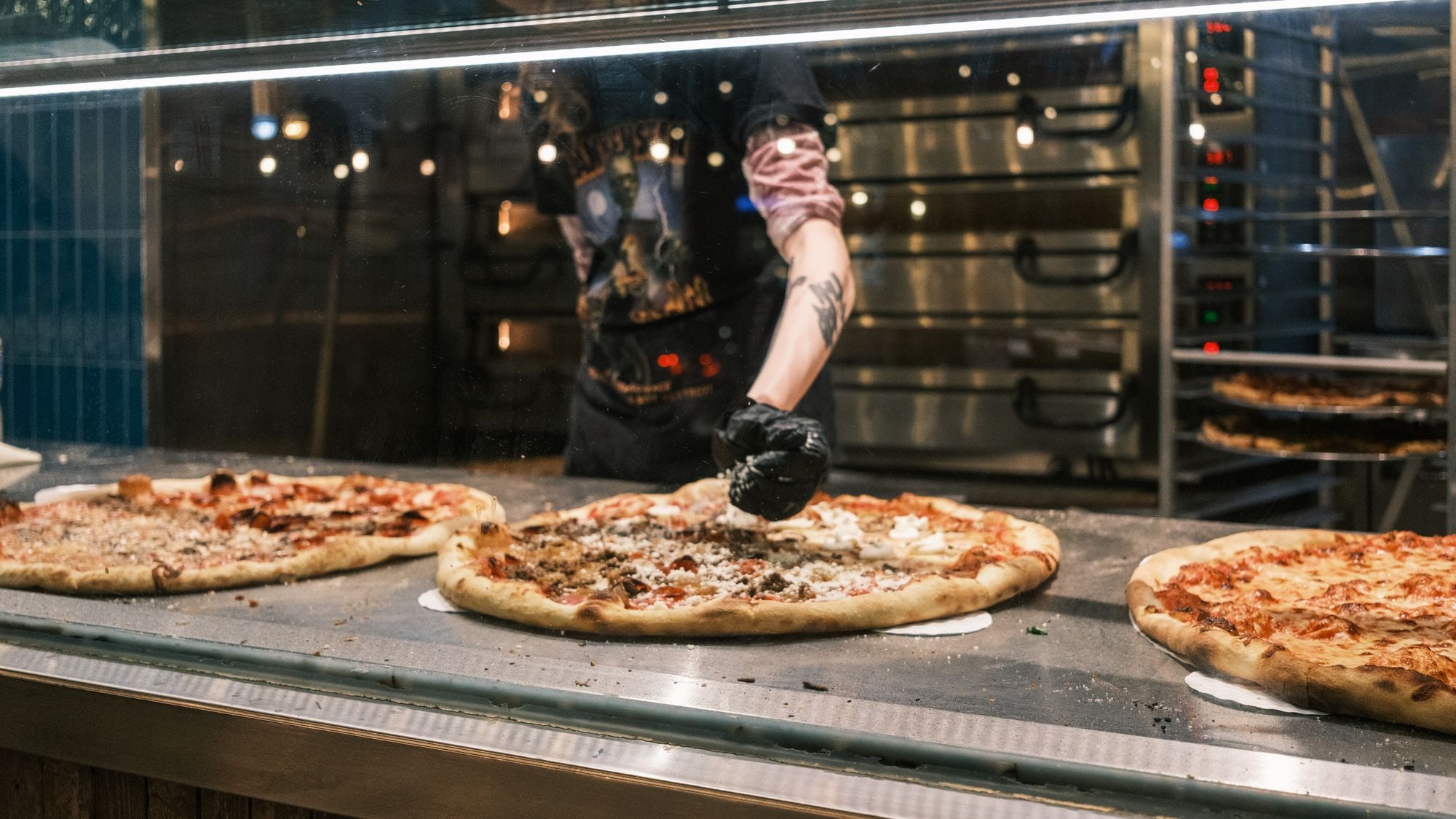
The Twist’s Pizza Broadstairs closure is another small hospitality business calling time, and the owners have been blunt about why. As The Isle of Thanet News reported, the restaurant announced it will shut permanently next month, blaming rising costs that it links directly to government policy. It is a familiar story on UK high streets, and the specifics behind it matter to any owner running a café, takeaway, pub or restaurant on thin margins, especially with business rates reform reshaping costs for small shops also in play. Retailers facing similar pressure should also see how the proposed business rates reform could shift costs between small shops and big retailers.
If you run a food business and want the short answer: the cost pressures Twist’s describes are real, national and largely fixed by policy rather than by anything an individual owner did wrong. The three big ones landing in 2025 and 2026 are higher employer National Insurance, a higher minimum wage, and a sharp reduction in business rates relief for retail, hospitality and leisure premises, a shift examined in our piece on business rates reform for high street businesses. Below we set out what each change actually is, what it costs a typical small restaurant, and the practical moves that give you the best chance of not becoming the next headline.
Why hospitality costs jumped in 2025
Restaurants are unusually exposed to labour and property costs. Food is a variable cost you can influence, but wages, employer taxes and rent tend to be large, fixed and hard to shift. Recent policy changes have pushed up exactly those fixed costs at the same time.
Employer National Insurance
From 6 April 2025, the rate of employer National Insurance contributions (the tax a business pays on top of each employee’s wage) rose from 13.8% to 15%. More significantly for a business with lots of part-time and lower-paid staff, the point at which you start paying it, the secondary threshold, dropped from £9,100 to £5,000 a year. That means you now pay employer NI on a far bigger slice of each person’s pay.
There is one offset worth knowing. The Employment Allowance, which lets eligible smaller employers reduce their annual employer NI bill, rose to £10,500. Employers weighing up headcount against these costs may also recognise the pattern described in why UK firms have settled into low-hire, low-fire mode. Rising employment costs are also being reshaped by other reforms, including the zero-hours contract crackdown facing small employers. For a genuinely small team that can absorb a meaningful part of the increase, so it is worth confirming with your payroll software or accountant that you are claiming it.
The National Living Wage
From April 2025 the National Living Wage for workers aged 21 and over rose to £12.21 an hour, an increase of about 6.7%. On top of that, small employers are also weighing up how the zero-hours contract crackdown could add £3bn in costs. The rate for 18 to 20 year olds rose to £10.00. For a kitchen and front-of-house team paid at or near the legal minimum, that lands on almost every shift, and it stacks on top of the higher employer NI charged on those same wages.
Business rates relief cut
For 2025/26 the relief on business rates for retail, hospitality and leisure properties was reduced from 75% to 40%. In plain terms, many premises that had three-quarters of their rates bill knocked off now get less than half off, so the actual amount owed can jump considerably from one year to the next. We covered the wider direction of travel in our explainer on business rates reform and what it means for high street businesses.
Put those three together and a small restaurant can face several thousand pounds of extra annual cost before it sells a single pizza. That is the squeeze the Twist’s owners are describing.
What “driven by government policy” really means for a small kitchen
It is easy to read a closure notice as rhetoric, but the arithmetic is specific. Consider a restaurant with eight staff, most of them part-time, most paid close to the National Living Wage. A 6.7% pay rise across that team, plus employer NI now charged from £5,000 rather than £9,100, plus a rates bill that has roughly doubled, is a serious change to the monthly outgoings. Add energy, which remains high for many independents, and you can see how a business that traded fine two years ago no longer does.
None of this is unique to Broadstairs. The same numbers apply to a bakery in Shropshire, a garage in Accrington or a takeaway in Cardiff. What differs is how much slack a business had to begin with, and how quickly it can adjust its two biggest controllable costs: labour scheduling and food purchasing.
There is also a demand side. Higher costs across the economy mean customers eating out less often, so many owners cannot simply raise prices to cover the gap without losing covers. That is the trap: costs are fixed and rising, revenue is soft, and the space between them is where a business dies.
Tools that help control the two costs you can actually move
You cannot vote away employer NI, but you can get a tighter grip on rostering and stock, which for most restaurants are the two largest costs after rent. Better scheduling stops you paying for staff hours that are not matched to bookings, and better stock control stops food margin leaking through over-ordering and waste. Several UK-focused platforms are built for exactly this, and they are worth shortlisting alongside the household names.
| Tool | Best for | Pricing approach | Worth knowing |
|---|---|---|---|
| Nory | AI-led forecasting for labour and stock in one platform | Quote-based monthly subscription | Built specifically for hospitality operators; aims to link sales forecasts to rostering and ordering |
| Rotaready | Staff scheduling and labour cost control | Quote-based, scales with team size | UK hospitality focus; integrates with common EPOS and payroll systems |
| Deputy | Rostering, time and attendance for shift teams | Per-user monthly subscription | Widely used beyond hospitality, so strong if you run mixed sites |
| Epos Now | Till system with reporting on sales and stock | Hardware plus software subscription | UK-based; a common entry point for independents wanting margin data |
| Lightspeed Restaurant | EPOS with menu and inventory analytics | Monthly subscription plus card processing | Suits businesses wanting deeper reporting as they grow |
The point is not the software itself but the visibility it gives. Knowing your labour cost as a live percentage of sales, and your gross margin per dish, tells you where to act before the bank balance does. On the payments side, keeping transaction fees low matters too, which is why we looked at the real cost of a failed card payment and how to cut those losses.
Energy, rent and the other fixed costs
Labour and stock are the fastest to fix, but energy and property costs are where independents often overpay quietly for years. Restaurant kitchens are energy-hungry, and many small firms are still on contracts signed at the peak of the market. It is worth getting quotes through a business energy broker, and for owners of their own premises, on-site generation is now a serious option. We reported on how EDF and Heliotec are targeting small business energy bills with solar, which can take a chunk out of a fixed monthly cost that only ever seemed to rise.
On staffing, the wider policy picture is not finished either. Owners already juggling the wage and NI increases should keep an eye on employment law changes, which we covered in our piece on how the zero-hours crackdown could affect small employers. Rostering flexibility that many hospitality businesses rely on may become harder to lean on, which makes accurate forecasting more valuable, not less.
FAQs
Why did Twist’s Pizza in Broadstairs close?
According to The Isle of Thanet News, the owners cited rising costs that they attribute to government policy. That description fits the national pattern of higher employer National Insurance, a higher National Living Wage and reduced business rates relief for hospitality, all landing close together.
What are the biggest cost increases hitting restaurants in 2025 and 2026?
The three most cited are employer National Insurance at 15% with a secondary threshold cut to £5,000, the National Living Wage rising to £12.21 an hour for those aged 21 and over, and retail, hospitality and leisure business rates relief falling from 75% to 40% for 2025/26. Energy costs remain elevated for many independents on top of this.
Can a small restaurant offset the employer National Insurance rise?
Partly. The Employment Allowance rose to £10,500, which eligible smaller employers can use to reduce their annual employer NI bill. It will not cover the whole increase for most businesses, but confirming you claim it, and that your payroll software applies it correctly, is a straightforward first step.
Should I just put my prices up to cover higher costs?
Some price increase is usually unavoidable, but raising prices in a soft market can cost you covers and make the problem worse. Most owners get further by combining a modest, well-explained price adjustment with tighter labour scheduling, reduced food waste and lower energy and payment costs, so the whole burden does not fall on the customer.
Where can I check my exact business rates bill?
Your rates are set by your local council based on the rateable value held by the Valuation Office Agency. You can look up your property’s rateable value on GOV.UK and contact your council to confirm what relief you currently receive and what your bill will be for the coming year.
What to do next
- Get your live numbers in front of you. Work out labour cost and gross margin as a percentage of sales this week, using your EPOS reporting or a tool such as Nory, Rotaready or Deputy, so you are deciding on data rather than the last bank statement.
- Confirm every relief and allowance you are entitled to. Check with your accountant or payroll software that you are claiming the Employment Allowance and receiving the correct business rates relief from your council.
- Attack the fixed costs you have ignored. Re-quote your energy and card processing, and if you own your premises, get at least one assessment for on-site solar to reduce a bill that keeps climbing.
- Model the next 12 months before you commit. Build a simple forecast that includes the higher wage, NI and rates figures, so you can see the gap early and act while you still have options.