
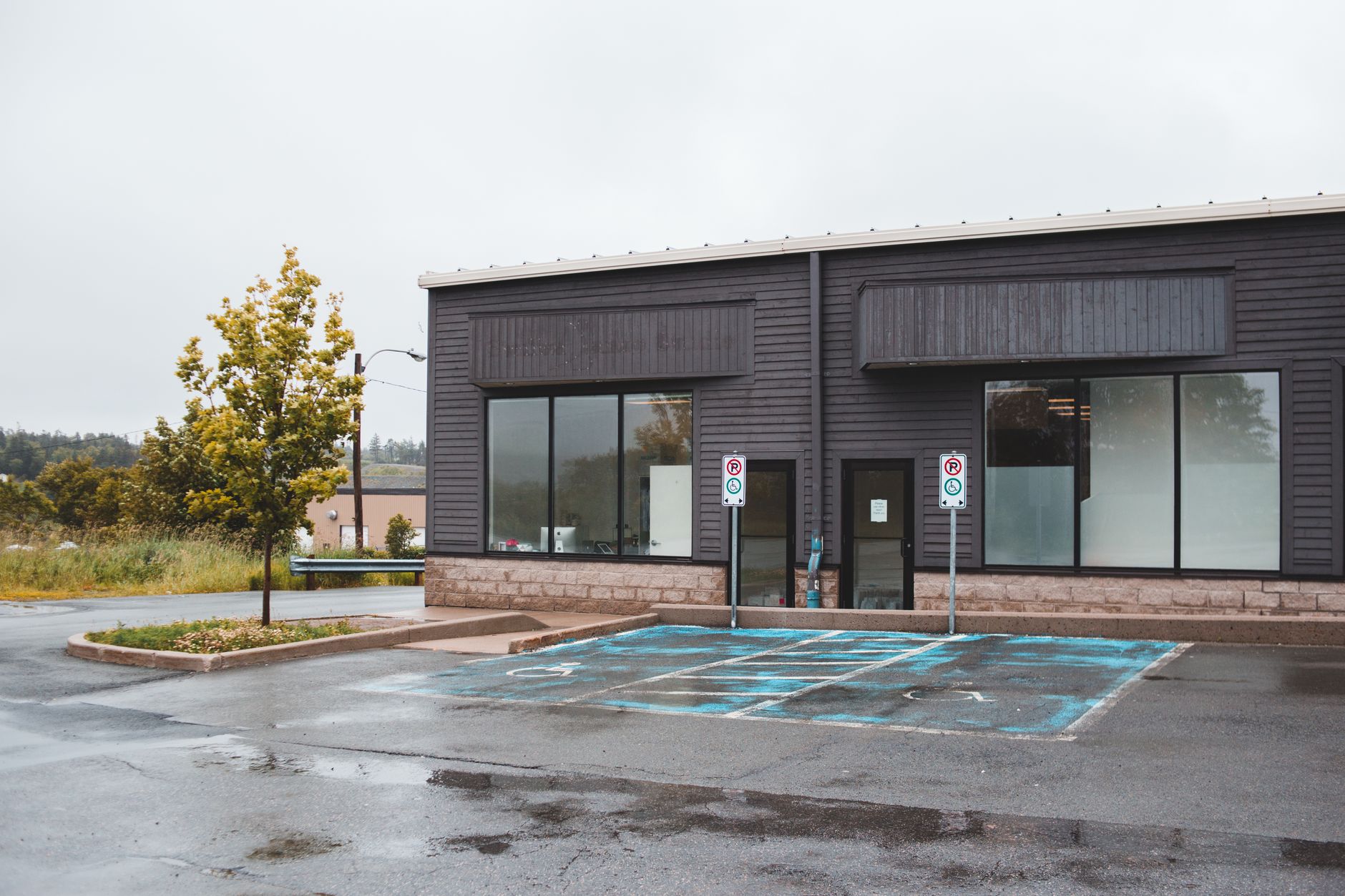
Recognise Bank has launched a five-year fixed commercial mortgage option, and for once the headline actually matters to a small business owner staring at the cost of buying their own premises. A fixed-rate deal means your monthly repayment stays the same for the whole five years, whatever happens to the Bank of England base rate. For an SME weighing up whether to keep renting or finally buy the workshop, salon or unit it trades from, especially with business rates reform changing the cost of premises, that predictability is the whole point.
The move, reported by Bridging & Commercial, adds a fixed product to the challenger bank’s existing commercial lending range. In plain terms: instead of only offering rates that move up and down with the market, Recognise Bank now lets business borrowers lock in a known cost for half a decade. Below we explain what that means in practice, how it compares with the other lenders you would realistically shortlist, and how to decide whether fixing is right for you. If you already own premises, see how to refinance a commercial property, and for other routes, Funding Circle’s £500m to fund more SME loans.
What a commercial mortgage actually is
A commercial mortgage is a loan secured against property you use for business rather than to live in. If you already own premises, our guide on how to refinance a commercial property covers the flip side. That covers owner-occupied premises (you trade from the building yourself) and commercial investment (you buy to let the property to another business). It works much like a residential mortgage: you put down a deposit, borrow the rest, and repay over an agreed term, usually with the property as security.
The key numbers to understand are:
- Loan to value (LTV): the percentage of the property price the lender will fund. Commercial mortgages often sit around 65% to 75% LTV, so you typically need a deposit of a quarter to a third of the price.
- Rate type: variable rates move with the base rate; a fixed rate is locked for a set period. Recognise’s new product fixes for five years.
- Term: the total length of the loan, commonly 15 to 25 years, even if the fixed period is only five.
- Arrangement and valuation fees: upfront costs on top of the deposit, plus legal fees and a lender valuation of the building.
Why a five-year fix appeals to SMEs right now
Interest rates have been volatile, and any business that borrowed on a variable rate through that period will know how uncomfortable an unpredictable repayment can be. A fixed rate removes that uncertainty. You know exactly what leaves your account each month for five years, which makes cash flow forecasting far easier and takes one large variable off the table when you are planning wages, stock and tax.
That certainty tends to matter most for owner-occupiers. If you are moving from a rented unit into a building you own, swapping an unpredictable rent review for a fixed mortgage payment can turn premises from a worry into a fixed cost you can build a budget around. It is the same logic many households use when they fix a home loan, applied to the business balance sheet.
There is a trade-off, of course. If rates fall sharply during your five years, you stay on the fixed rate while variable borrowers benefit. Fixed deals can also carry early repayment charges if you sell or refinance before the term ends. So the appeal is stability, not the guarantee of the cheapest possible cost.
A realistic worked example
Suppose a hair salon in Leeds is paying £2,000 a month in rent and finds a suitable freehold unit for £400,000. The bank offers 70% LTV, so the business needs a £120,000 deposit and borrows £280,000 over 20 years.
The figures below are illustrative only, to show how the sums work, not a Recognise quote. At an illustrative 7% interest over a 20-year term, monthly repayments on £280,000 would be roughly £2,170. On top of the deposit, the owner should budget for an arrangement fee (often 1% to 2% of the loan), a valuation fee, solicitor costs and Stamp Duty Land Tax on the purchase. Once bought, the salon owns an asset instead of paying a landlord, and with a five-year fix that repayment does not move even if the base rate rises.
Whether that stacks up against renting depends on the deposit you can raise, how long you plan to stay, and what happens to property values in your area. It is the kind of decision worth modelling carefully, in the same way we cover in our guide to what UK small business owners actually take home.
How Recognise compares with other lenders SMEs should shortlist
Recognise is not the only challenger bank targeting SME property finance, and it is worth getting quotes from several. High street names lend on commercial property too, but the specialist and challenger banks often have more appetite for smaller, owner-occupied deals and quicker, more human underwriting. Here is a realistic shortlist and what each is generally known for.
| Lender | Type | Generally known for |
|---|---|---|
| Recognise Bank | UK challenger bank | SME-focused commercial mortgages and lending, now including a five-year fixed option; relationship-led approach aimed at smaller businesses. |
| Allica Bank | UK challenger bank | Owner-occupied commercial mortgages and asset finance aimed squarely at established SMEs. |
| Cambridge & Counties Bank | Specialist UK bank | Commercial and buy-to-let property finance, including pension-fund (SIPP/SSAS) property purchases. |
| Shawbrook Bank | Specialist lender | Commercial and complex property lending where high street banks may say no. |
| Aldermore | Specialist bank | Commercial mortgages, buy-to-let and asset finance for SMEs and landlords. |
| NatWest | High street bank | Wide branch network and established commercial mortgage products for existing customers. |
The names most owners jump to are the high street banks, but the more useful part of any shortlist is usually the specialists. Allica, Cambridge & Counties, Shawbrook and Aldermore all built their businesses around exactly the sort of premises purchase a growing SME wants to make, and a broker who knows the commercial market will often steer you to one of them rather than your everyday bank. If your last experience of asking for finance was discouraging, our piece on why weak SME lending confidence stops firms asking is worth a read before you assume the answer is no.
Where a commercial mortgage sits alongside your other funding
Buying premises is rarely the only thing an SME needs to fund. Vehicles, machinery and equipment usually sit better on asset finance than on a property loan, because the repayment is matched to the life of the kit. Working capital and growth costs are a different question again, and the market for that has been busy: Funding Circle securing fresh funding for SME loans and Metro Bank growing its small business lending both point to more choice for owners than there was a couple of years ago. The point is to match each type of borrowing to the right product rather than loading everything onto one facility.
Frequently asked questions
How big a deposit do I need for a commercial mortgage?
Most commercial mortgages are offered at around 65% to 75% loan to value, so you usually need a deposit of 25% to 35% of the property price. Owner-occupied deals sometimes reach higher LTVs than commercial investment purchases. The exact figure depends on the lender, the property type and your trading history.
What is the difference between a fixed and variable commercial mortgage?
A fixed rate keeps your interest rate, and therefore your monthly repayment, the same for a set period, in this case five years. A variable rate moves with the market, so payments can rise or fall. Fixing buys certainty; variable can be cheaper if rates fall but exposes you to rises.
Can I get a commercial mortgage as a limited company?
Yes. Commercial mortgages are commonly taken out by limited companies, partnerships and sole traders. Lenders will look at your accounts, the strength of the business, and often ask for personal guarantees from directors. Keep your filings at Companies House and your figures with HMRC up to date, because underwriters will want recent, clean records.
What fees should I budget for beyond the deposit?
Expect an arrangement fee (often 1% to 2% of the loan), a lender valuation fee, legal and conveyancing costs, and Stamp Duty Land Tax on the purchase price. A broker may also charge a fee. Factor these in early, as they can add several thousand pounds on top of your deposit.
Should I use a broker or go direct to Recognise?
Many challenger and specialist banks, including some commercial lenders, work primarily through brokers. A good commercial finance broker will compare Recognise against Allica, Cambridge & Counties, Shawbrook, Aldermore and the high street banks, and match you to the lender most likely to say yes on sensible terms. Going direct can work if you already bank with the lender, but comparing at least three quotes is wise.
What to do next
- Work out your real deposit and total costs. Add the deposit, arrangement fee, valuation, legal fees and Stamp Duty together so you know the full cash you need before you start.
- Get your accounts and filings in order. Make sure your Companies House records and HMRC returns are current, and have two to three years of accounts ready, because underwriters will ask.
- Compare at least three lenders. Put Recognise alongside Allica, Cambridge & Counties, Shawbrook and Aldermore, ideally through a commercial mortgage broker, and weigh the five-year fix against variable options.
- Model rent versus buy honestly. Compare your current rent against the fixed repayment plus running costs, and decide whether owning the premises suits how long you plan to stay put.