If you run a trade business and need a van, a recovery truck or a mini digger but do not want to empty your bank account, asset finance is usually the answer. In plain terms, asset finance lets you spread the cost of a piece of equipment over monthly payments while you use it to earn money, rather than paying the full price up front. The kit itself acts as security for the loan, which is why lenders are often more relaxed than they are with an unsecured business loan.
This guide covers how asset finance works, what a Vehicle Recovery Truck Finance deal or Mini Digger Finance agreement actually looks like in the UK, the main lenders and brokers (including Swoop Funding), realistic pricing, and the tax treatment you should understand before you sign. If you are choosing between spreading a cost and paying cash, it also pairs well with our guide to managing cash flow in a small business.
What is asset finance, in practice?
Asset finance is a family of products that all do roughly the same job: they let you get hold of an asset now and pay for it over time. The asset can be almost anything a business uses to trade, from a tipper truck to a CNC machine to a coffee roaster. For trades, the common ones are vehicles, plant (diggers, dumpers, telehandlers) and workshop equipment.
There are four main structures you will come across. The difference between them comes down to who owns the asset, whether you keep it at the end, and how it appears in your accounts.
- Hire purchase (HP): you pay a deposit then fixed monthly instalments, and you own the asset outright after the final payment. Popular for kit you intend to keep for years, like a digger.
- Finance lease: the lender owns the asset and rents it to you for an agreed term. You use it, maintain it, and at the end you can usually sell it on the lender’s behalf and keep most of the proceeds, or continue with a low “peppercorn” rent.
- Operating lease / contract hire: a rental with the asset handed back at the end. Common for vehicles you want to swap regularly and never own.
- Refinance (sale and leaseback): you already own an asset outright, and a lender buys it from you to release cash, then you lease it back. Useful for freeing up capital tied up in existing plant.
Vehicle Recovery Truck Finance Explained
A recovery truck is a working asset that pays for itself, which makes it a natural fit for asset finance. A used flatbed or slide-bed recovery vehicle typically sits somewhere in the tens of thousands of pounds, while a new heavier specification can run considerably higher. Because the exact price depends on tonnage, bed type, mileage and age, treat any figure your dealer quotes as the starting point for your finance calculation.
Most recovery operators use hire purchase so they end up owning the truck, because the vehicle keeps earning long after the finance is paid off. A realistic structure might be a deposit of 10% to 20%, a term of three to five years, and fixed monthly payments so you can price recovery jobs knowing your overheads. Lenders will look at your trading history, the age and condition of the truck, and whether the vehicle has a strong resale value if they ever needed to recover it.
One practical point specific to recovery and heavy vehicles: check whether the finance covers the base chassis only or the full body and equipment. A recovery build (winch, ramps, control gear) can be a big chunk of the total, and you want it all inside the agreement rather than funded separately at a worse rate.
Mini Digger Finance Explained
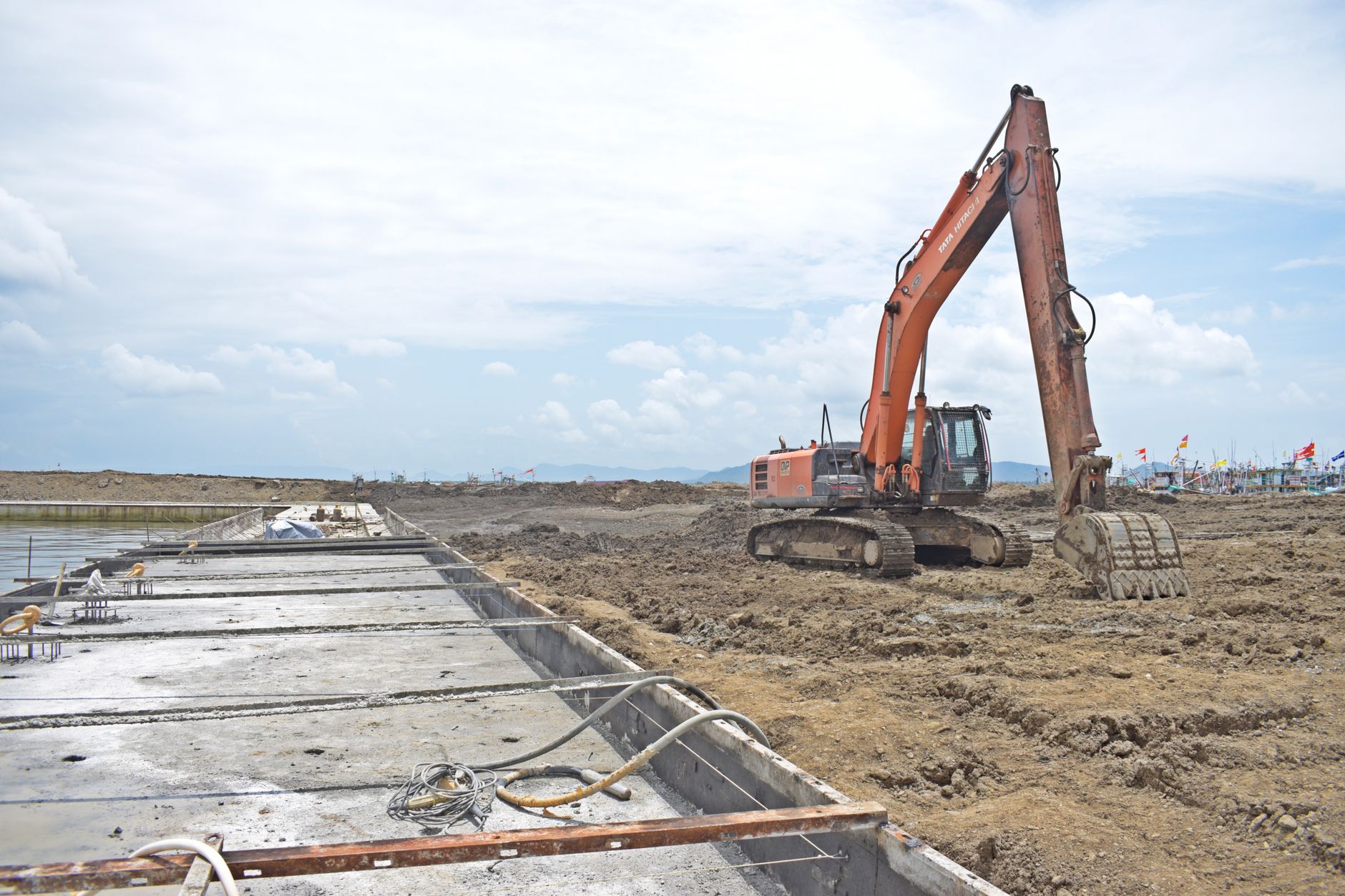
Mini diggers (excavators up to around 8 tonnes) are one of the most financed items in UK groundworks and landscaping. A new 1.5 to 3 tonne machine from brands such as Kubota, Takeuchi, JCB or Bobcat commonly falls in a mid five-figure range, and good used machines cost significantly less, which is why so many sole traders and small firms start with second-hand plant on finance.
Hire purchase is again the usual route, because a well-maintained digger holds its value and you want to own it. A typical deal might involve a modest deposit, a term of two to five years, and a balloon payment option (a larger final lump sum that lowers your monthly cost) if you would rather keep payments down and settle or refinance at the end. If your work is seasonal, ask the lender about payment profiles that flex with your cash flow rather than a flat monthly figure.
Because plant gets stolen, expect finance providers to want the machine tagged and insured, and to record their interest until you have paid in full. That is normal and protects both sides.
Where to get asset finance in the UK
You can go direct to a lender, through your bank, or via a broker who shops the whole market for you. Brokers are worth considering when you want several quotes without filling in half a dozen application forms; a platform such as Swoop Funding matches your requirements to lenders and can also flag grants and other funding you might have missed. For a wider view of borrowing options, see our overview of business loans for UK SMEs.
Named lenders active in UK asset finance include Aldermore, Close Brothers, Shawbrook, Novuna Business Finance, United Trust Bank and Paragon Bank, while high-street options such as Lombard through NatWest are also worth a quote. Many manufacturers offer their own finance too, so ask the dealer as well as an independent lender before you commit.
Comparing the main finance types
| Feature | Hire purchase | Finance lease | Contract hire / operating lease |
|---|---|---|---|
| Do you own it at the end? | Yes, after final payment | Usually no, but you may sell on lender’s behalf | No, asset is returned |
| Deposit | Typically 10% or more | Often lower | Usually an initial rental |
| Best for | Diggers, trucks you keep long term | Kit you want to use then upgrade | Vans and cars swapped regularly |
| Maintenance | Your responsibility | Your responsibility | Can be bundled in |
| On your balance sheet? | Yes | Yes | Often treated as a rental cost |
Tax and asset finance
The tax treatment matters and can materially change the real cost of a purchase, so it is worth a conversation with your accountant before signing. In broad terms, equipment bought outright or on hire purchase can often qualify for capital allowances, including the Annual Investment Allowance, which lets many businesses deduct the full cost of qualifying plant and machinery against taxable profit in the year of purchase. There is also full expensing for companies. Leases are usually treated differently, with the rental payments deducted as a running cost instead. The rules and thresholds change, so check the current position on gov.uk capital allowances and confirm the detail with your adviser. If you are weighing up how kit purchases hit your numbers, our piece on small business tax basics is a useful companion.
Frequently asked questions
Can a new business or sole trader get asset finance?
Yes, though newer businesses may face higher deposits or rates because the lender has less trading history to assess. A strong personal credit record and a machine with good resale value both help. Some lenders specialise in start-ups and CCJs, which is where a broker can steer you to the right one.
Will I need a personal guarantee?
Often, particularly for a limited company with a short trading history. A personal guarantee means you agree to cover the debt if the business cannot. Because the asset itself is security, guarantees on asset finance are frequently lighter than on unsecured lending, but read the terms and understand your exposure.
Is it cheaper to buy the asset with cash?
Cash avoids interest, but it also drains your working capital, which is the money you need to pay wages, fuel and materials while you wait for invoices to clear. Many trades finance the kit and keep cash in the business precisely so a quiet month does not sink them. Compare the interest cost against what that cash could do for you elsewhere.
Can I finance used equipment?
Yes. Used vans, recovery trucks and diggers are financed all the time. Lenders will assess age, hours or mileage, and expected resale value, and may set a shorter term on older kit. Buying quality used plant on finance is a common way for smaller firms to grow without overstretching.
What happens if I miss payments?
Because the asset is security, the lender can ultimately repossess it, and missed payments will damage your credit. If cash flow tightens, contact the lender early; many will discuss a revised payment profile rather than default. Building a small buffer before you commit is the best protection.
What to do next
- Get a firm price for the exact vehicle or machine you want, including any body, attachments or build costs, so your finance covers the whole thing.
- Get at least three quotes: your bank, the dealer or manufacturer, and an independent route such as a broker or platform like Swoop Funding, then compare the total cost, not just the monthly figure.
- Ask your accountant how the deal affects your tax, especially whether it qualifies for capital allowances, before you sign.
- Read the small print on deposit, term, balloon payment, early settlement and any personal guarantee, and only commit to payments your cash flow can absorb in a slow month.