Why this matters to smaller businesses
Big medical breakthroughs usually make headlines for the hospitals involved. But behind this one sits a familiar story for UK SMEs (and if you are unsure what counts as a small business in the UK, the thresholds are worth knowing): small, specialist firms and public funding of the kind the British Business Bank channels to smaller firms combining to turn an idea into something real, and doing it faster and cheaper than the old way.
UKRI’s Medical Research Council (MRC) has announced that a UK patient has become the first to receive a bespoke lung cancer therapy vaccine, tailored to the specific genetic makeup of her tumour. You can read the full announcement from UKRI / Innovate UK.
What has happened
The patient, Chris Jones from the Wirral, who runs a gelato and coffee shop with her daughter while undergoing treatment, has advanced lung cancer that only partly responded to standard immunotherapy (treatment that helps the immune system fight cancer). The new vaccine is designed to train her immune system to recognise and attack her tumour’s unique cells.
The early-stage NEOVACC trial, backed by a £2.66 million MRC grant, will involve ten patients with advanced non-small cell lung cancer, a disease diagnosed in around 50,000 people a year in the UK. It is led by the Clatterbridge Cancer Centre and the University of Liverpool.
The SME innovation angle
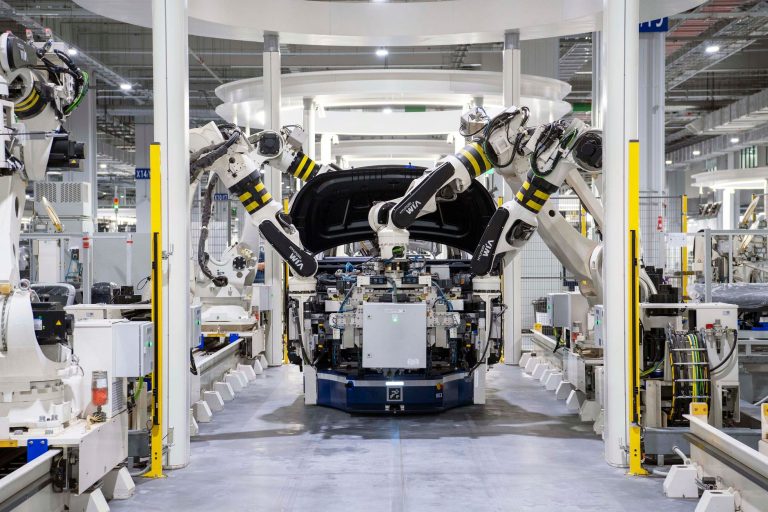
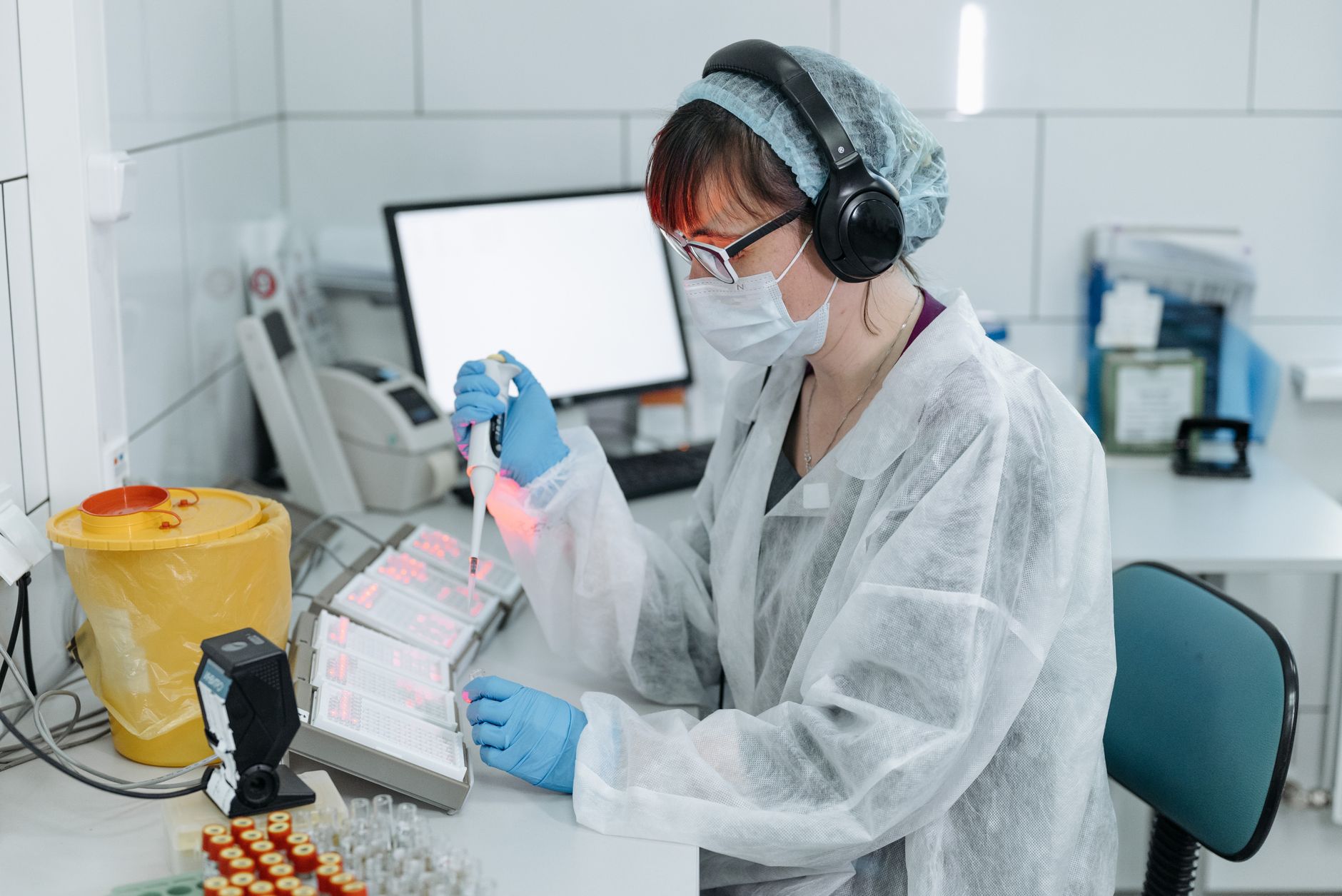
The clever part is the manufacturing. The vaccine uses “doggybone” DNA (dbDNA), a synthetic form of DNA produced in the lab using enzymes rather than living cells. This “cell-free” method lets researchers make personalised vaccine components rapidly and at lower cost than traditional approaches.
That technology comes from UK firm Touchlight Genetics, working alongside biopharmaceutical company myNEO, which uses advanced computing to pinpoint exactly which parts of a tumour the vaccine should target. The same computing shift is reaching smaller firms: our guide on how UK small businesses can start using AI without a tech team shows where to begin. In other words, the breakthrough leans on nimble specialist companies solving one problem brilliantly, the classic SME playbook.
Sophie Mountcastle of the MRC called it “a great example of what public investment through the MRC can achieve”, noting that bringing together researchers, NHS clinicians and industry partners helps turn scientific discoveries into real treatments.
The practical takeaway
You may not be building cancer vaccines, but the lesson travels well. Innovation increasingly happens when small, focused firms plug their expertise into bigger projects, often supported by public funding schemes like those backed by the British Business Bank.
If your business has genuinely novel technology or processes, it’s worth checking what UKRI and Innovate UK grants you might qualify for. For finance beyond grants, see how the British Business Bank is backing funding for smaller organisations. Partnerships with universities, larger organisations or the NHS can open doors that going it alone never would. And as this story shows, a smart specialism plus the right collaboration can make you part of something remarkable, even from a modest UK base.